Why Certified Translation Is Essential for GCC Use
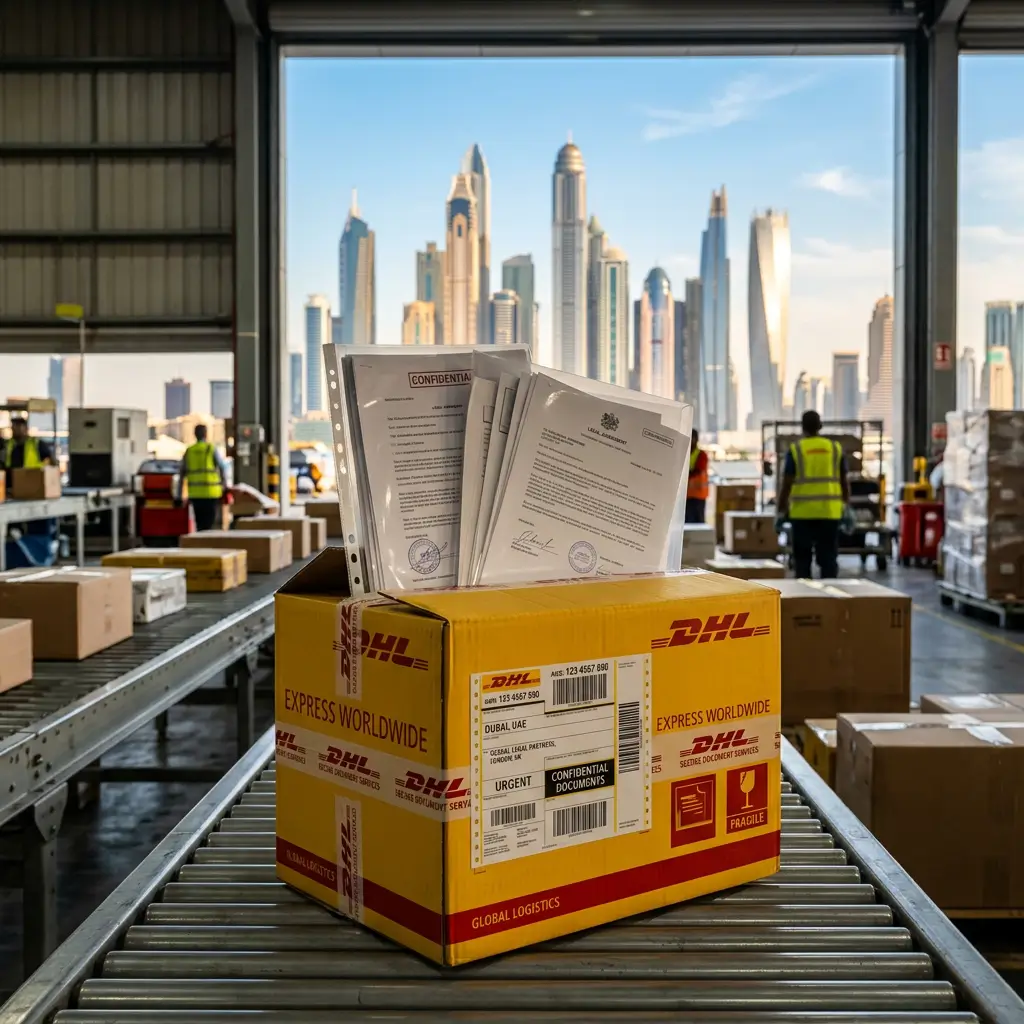
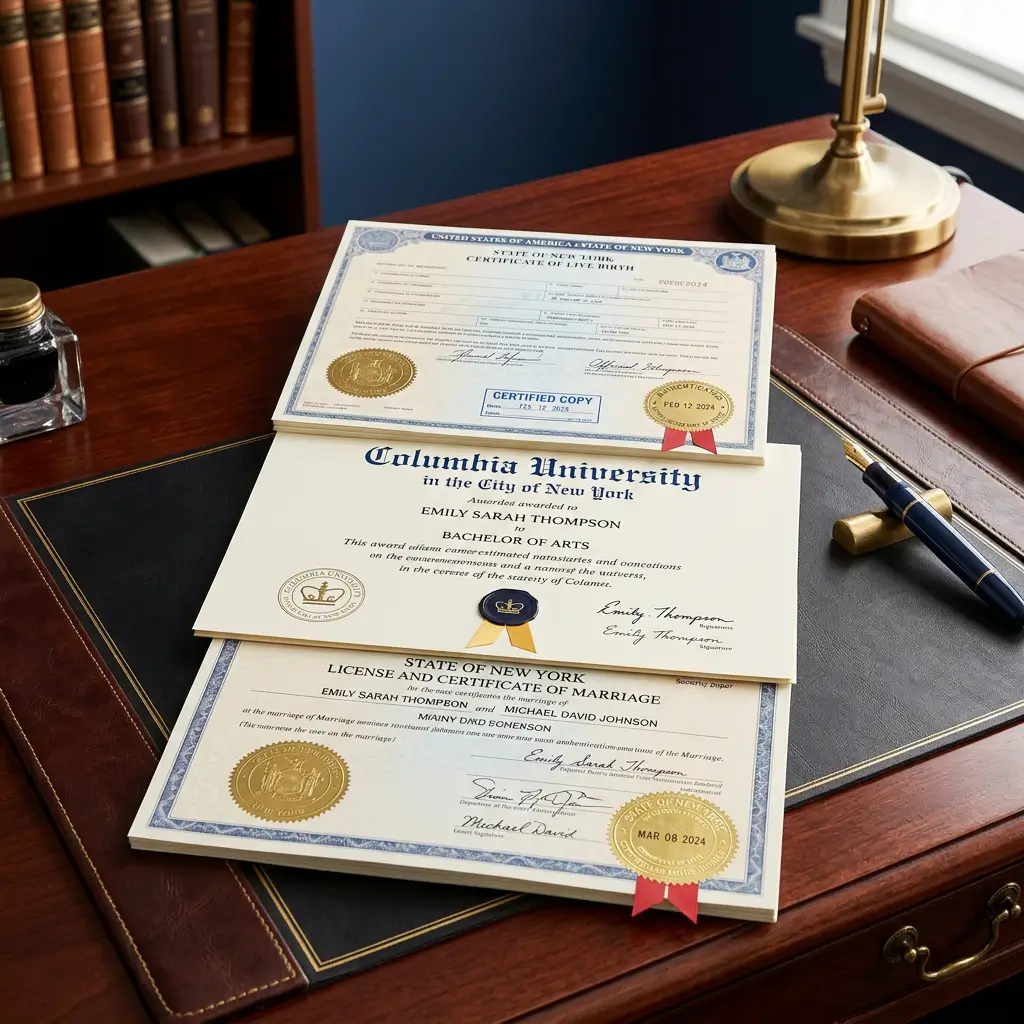
When submitting US-issued documents to government authorities in Saudi Arabia, the UAE, or other Arabic-speaking GCC countries, you’ll almost always need a certified Arabic translation accompanying your original documents.
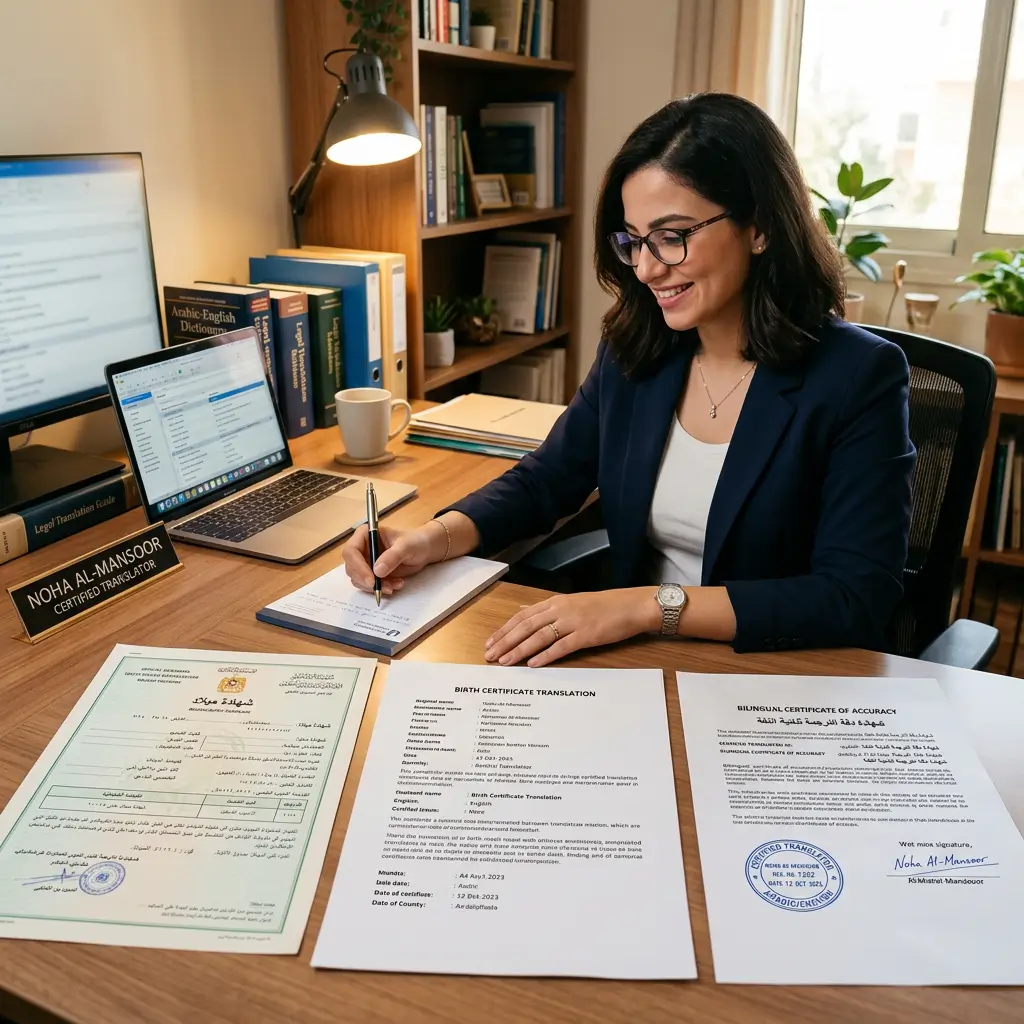
What Makes a Translation “Certified”?
A certified translation includes: – A professional translation of the complete document – A signed certificate of accuracy from the translator – The translator’s credentials and contact information – Optional notarization for additional verification
When Do You Need a Certified Translation?
For Saudi Arabia – Work visa applications and Iqama processing – Family visa and dependent documentation – Educational credential submission – Business and commercial registrations
For UAE – Employment visa processing – Family reunification documents – University admissions – Business licensing and trade registrations
Choosing the Right Translation Service
Not all translation services are equal. For legal and official use in the GCC, your translation must: – Be completed by a professional translator with legal terminology expertise – Include a proper certificate of accuracy – Meet the specific standards of the destination country – Be accurate in both legal terminology and formatting
The Translation-Authentication Sequence
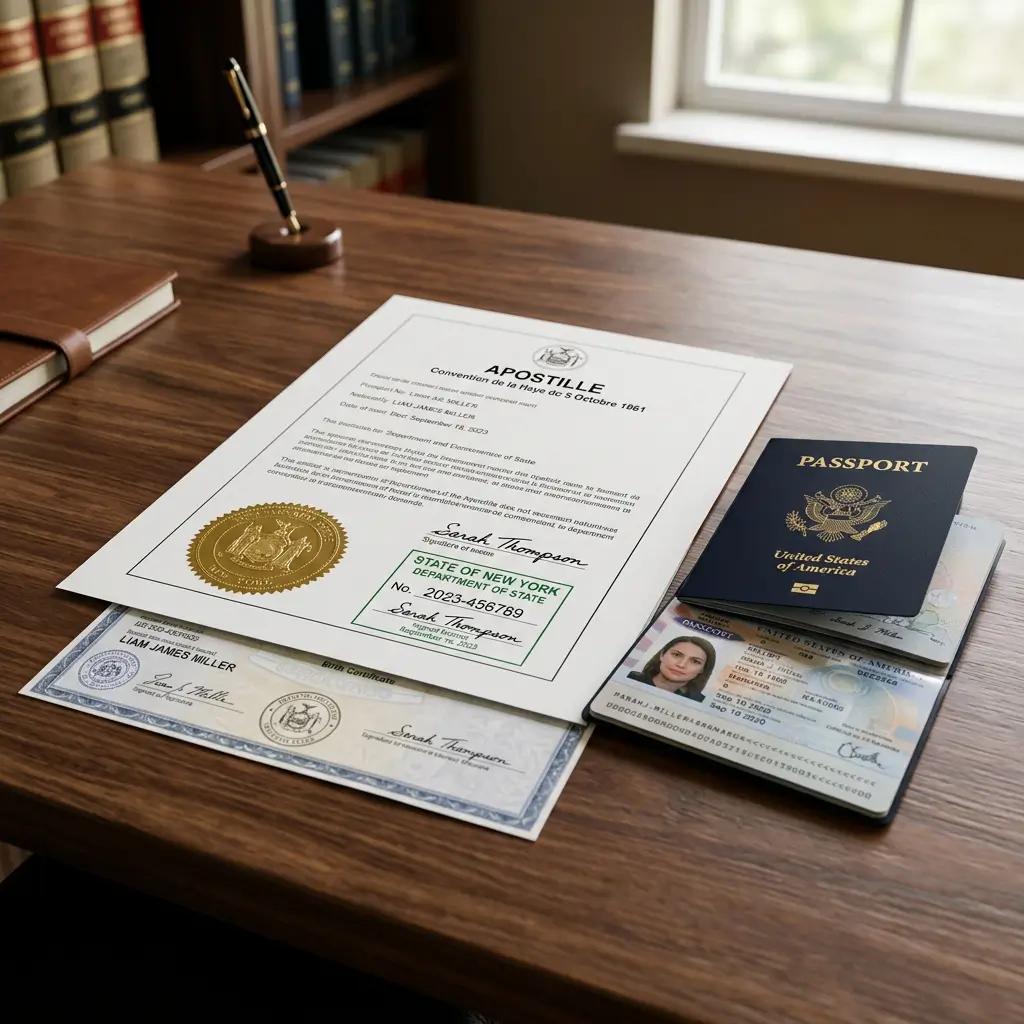
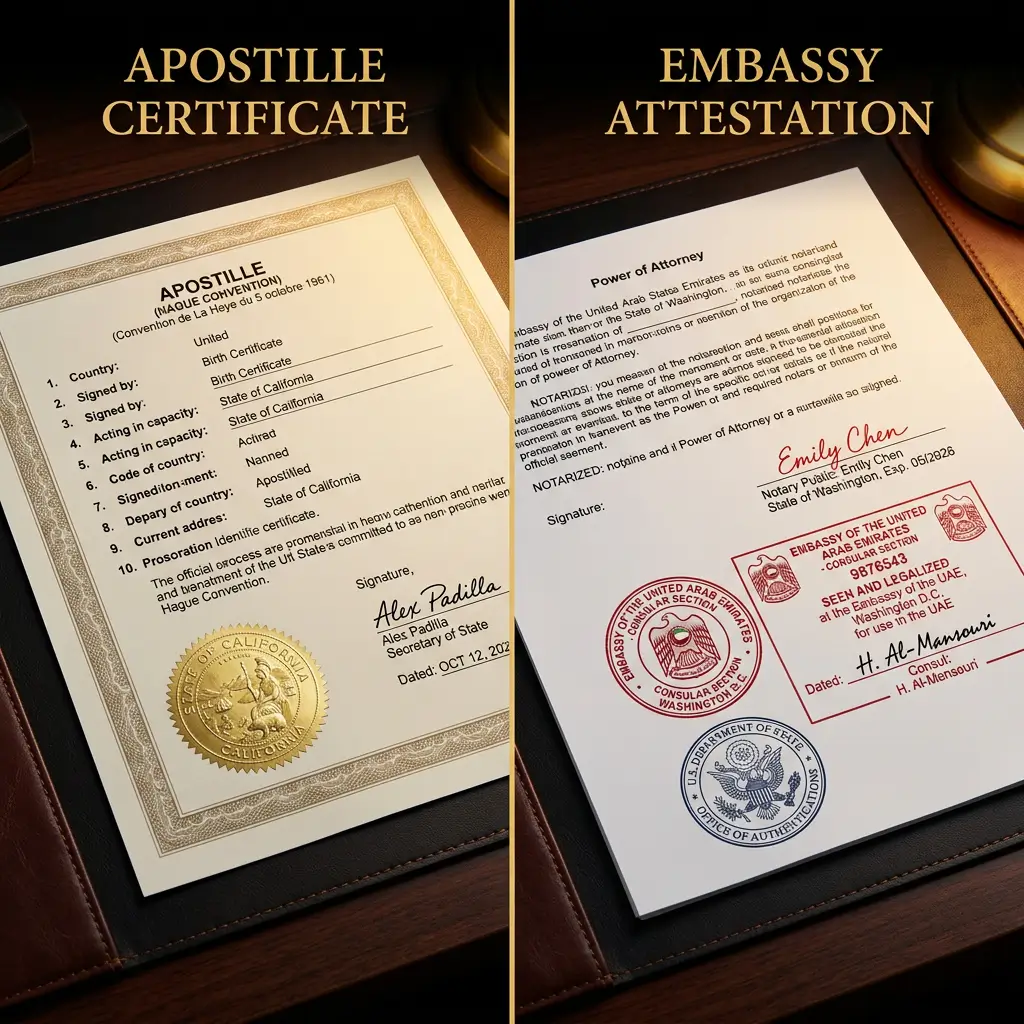
The order in which you translate and authenticate matters. In most cases: 1. Original document is authenticated (apostille or attestation) 2. Certified translation is completed 3. Translation may need separate authentication
However, some countries or institutions may have different sequence requirements. Always verify before proceeding.
Combine Translation with Authentication
The most efficient approach is to use a single provider for both translation and authentication. This ensures proper sequencing, consistent handling, and faster turnaround.